2026 has witnessed the launch of some exceptional Android phones. From the Samsung S26 Ultra to the OnePlus 15, Vivo’s flagship models, and notable entries from Honor, the market is buzzing with innovation. Having had the opportunity to test most of these devices, each one brings a distinct feature set to the table.
Among these top contenders, Xiaomi stands out for its flagship offerings.
Xiaomi seems to grasp the idea that enticing users to switch from a Samsung or an iPhone involves more than just a feature race. It’s about creating a seamless integration between your phone and the devices you use daily.
Instead of aiming to replace a MacBook, Xiaomi has opted for a different approach. It has incorporated features that enhance the compatibility of its phones with products like the MacBook and iPad. This level of interconnectivity provides a user experience akin to the seamless interaction expected between an iPhone and a MacBook.
Air Drop between Xiaomi and MacBook
For me, the standout feature of using an iPhone with a MacBook has been AirDrop. The ability to swiftly transfer data between my phone and laptop, whether it’s a photo or a work-related file, has been a game-changer. However, replicating this smooth process with an Android phone and MacBook has always been a challenge.
This was the main reason I couldn’t fully switch to Android
For the longest time, the absence of a seamless file transfer solution like AirDrop was a major factor preventing me from fully transitioning to Android. Despite testing various Android phones, the convenience of AirDrop kept me anchored to the iPhone ecosystem.
Earlier this year, I made the switch to using the Xiaomi 15T Pro as my primary device, followed by the Xiaomi 17. Both these models support Xiaomi’s interconnectivity features, available through an app on Apple’s App Store. Once set up, the experience feels remarkably familiar.
Anurag Singh / Foundry
With Xiaomi’s Share feature, transferring files to your MacBook is a breeze. Select Xiaomi Share instead of AirDrop, choose your MacBook as the destination, and watch the file transfer seamlessly.
Moreover, Xiaomi’s interconnectivity extends beyond personal devices. If someone nearby also owns a Xiaomi phone, sharing files becomes as effortless as using AirDrop.
Xiaomi Interconnectivity has a lot more to offer
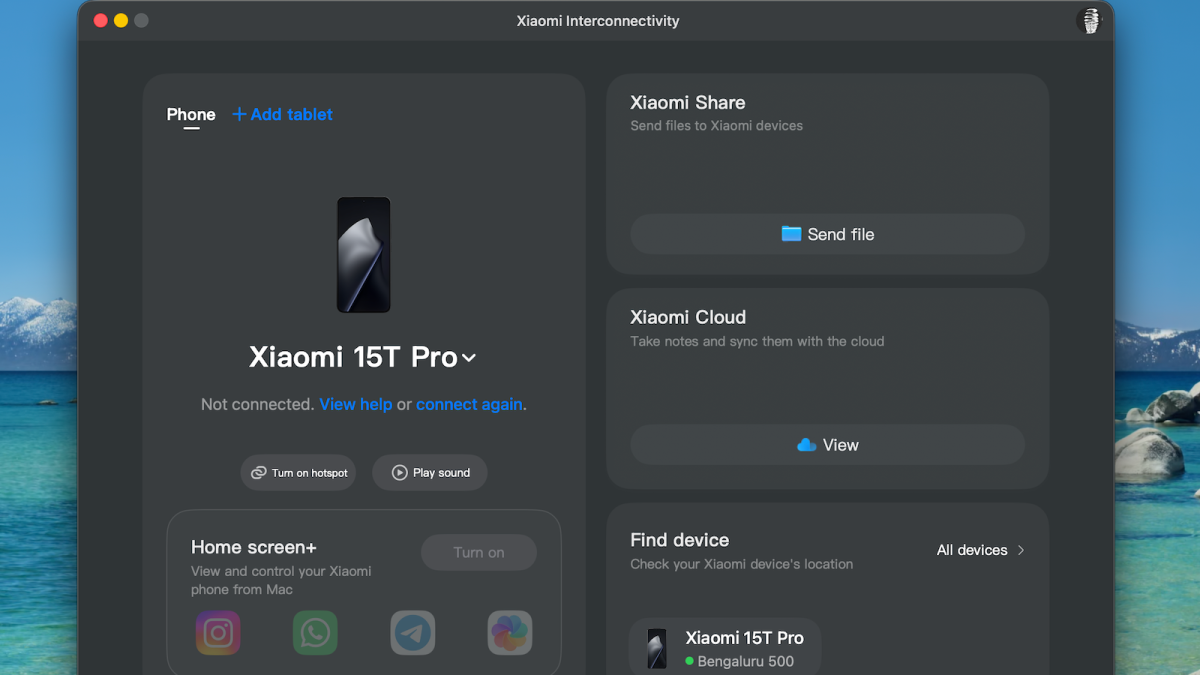
While AirDrop is a significant part of Xiaomi’s interconnectivity suite, the app offers additional functionalities. For instance, sharing files from a Mac to an Android phone isn’t as straightforward as with an iPhone, but Xiaomi’s solution bridges this gap.
The Xiaomi Interconnectivity app on your Mac includes a built-in file transfer option, reminiscent of AirDrop. Simply select the files you wish to send, and they will be transferred to your phone with relative ease.
Anurag Singh / Foundry
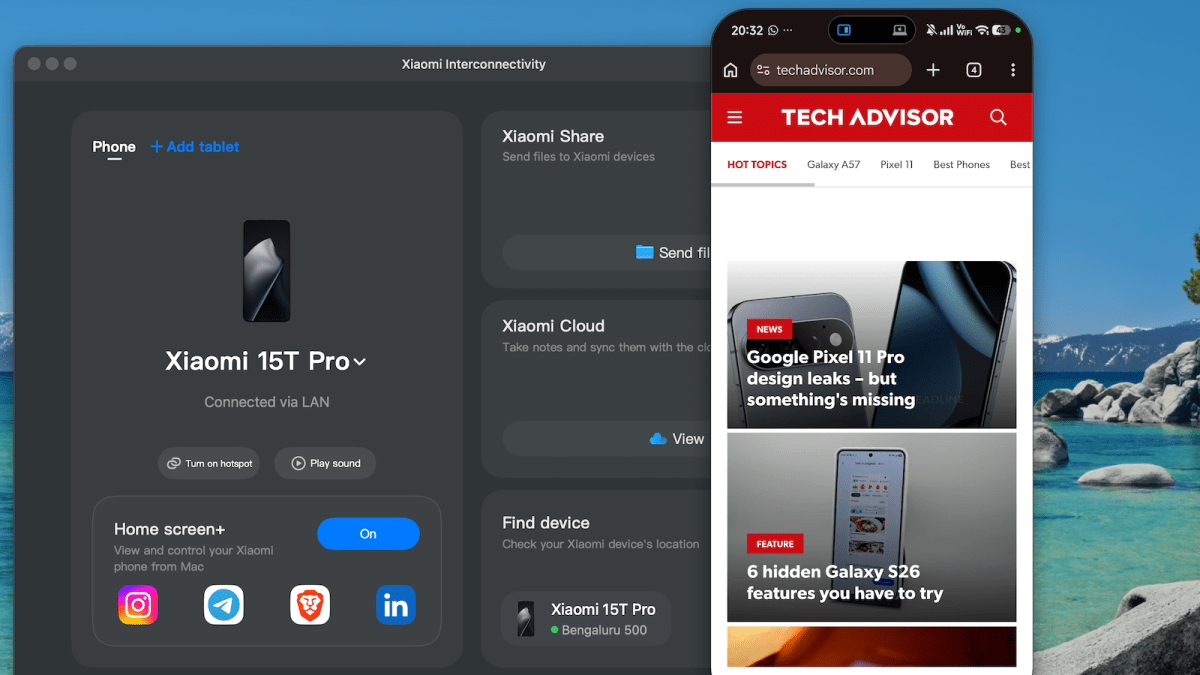
One of the standout features is screen access. Xiaomi’s app allows you to mirror your phone’s screen on your MacBook, enabling seamless interaction with your device directly from your computer.
Although there may be a slight delay, the ability to access and control your phone from your Mac adds a new level of convenience to your workflow.
Anurag Singh / Foundry
Interconnectivity matters more than phone makers think
Collectively, Xiaomi’s interconnectivity features offer a comprehensive solution that enhances the Android user experience. By focusing on seamless integration rather than feature replication, Xiaomi addresses the key challenge of switching between devices.
For the first time, I feel that I’m not compromising my workflow by transitioning from an iPhone to a Xiaomi device. The ability to maintain my existing routines, instant file transfers, and easy access to my phone redefine the Android experience, making Xiaomi a compelling choice.