When it comes to gaming, nothing disrupts the player’s experience like a loading screen. In virtual reality, this issue is even more pronounced. Immersion, the feeling of ‘being there’, is what makes VR so special. Being abruptly taken out of a virtual world and faced with a loading bar can instantly break the illusion of being present. Additionally, unexpected loading pauses can lead to frame rate issues and VR sickness. In this insightful Guest Article, VR developer Charlie Cochrane explores various techniques for designing around immersion-breaking loading screens.
Guest Article by Charlie Cochrane
Charlie Cochrane, a solo VR developer at Crooks Peak studio, delves into the world of VR gaming. With a diverse background in robotics, programming, and even running a cookie delivery company, Charlie transitioned to creating VR games full-time in 2021. His sci-fi action horror game ‘By Grit Alone’ was released in winter 2024, and the upcoming Victorian zombie train sim ‘Full Steam Undead’ is set for release in Spring 2026 on Meta Quest and Steam.
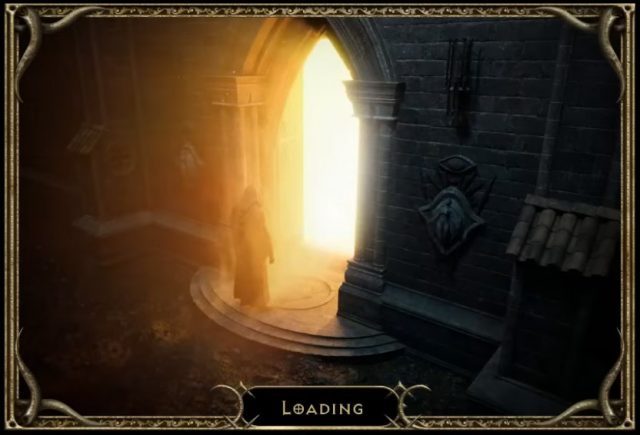
In VR, a loading bar doesn’t just pause the game; it disrupts the player’s experience by teleporting them to a disorienting black void, breaking the sense of ‘presence’. This challenge was a fundamental design principle for Charlie’s previous game, ‘By Grit Alone’, and his upcoming title ‘Full Steam Undead’. Both games feature a ~4-hour campaign with a strict rule: no loading screens and no frame rate stutters.
In this article, Charlie shares high-level techniques used by developers to minimize or conceal loading processes. By the end of this read, readers will gain a deeper understanding of the invisible systems at play and the reasons behind the prevalence of elevator scenes in games.
The Background Load (Streaming)
One of the most effective loading techniques is one that players don’t even notice. This is where ‘Asset Streaming’ comes in. The goal is to load the game’s assets (such as models, textures, and sounds) in small increments in the background before they are needed, rather than all at once in a single, disruptive block.
Asset streaming can be challenging as the game must anticipate what needs to be loaded and when, ensuring it’s preloaded and ready when required. Striking the right balance is crucial; loading too much can consume memory, while loading too little can result in assets needing to be unloaded. This balancing act is even trickier in VR, where memory and processing power are limited, and even a brief loading pause can cause noticeable stutters.
For example, in ‘By Grit Alone’, a short radio static buzz plays before each NPC radio message, giving the game time to load the actual message in the background. Another common example is chunking up a large open-world map and loading/unloading these chunks based on the player’s location and view direction, as seen in ‘Asgard’s Wrath 2’.
The Hidden Load (Deception)
While asset streaming is effective, there are times when the game engine requires more time or memory, especially when transitioning between large areas. This is where ‘The Elevator’ technique comes into play. By placing the player in an elevator that slowly ascends or descends, the game can unload the previous scene, free up memory, and load the new scene in the background during the ride.
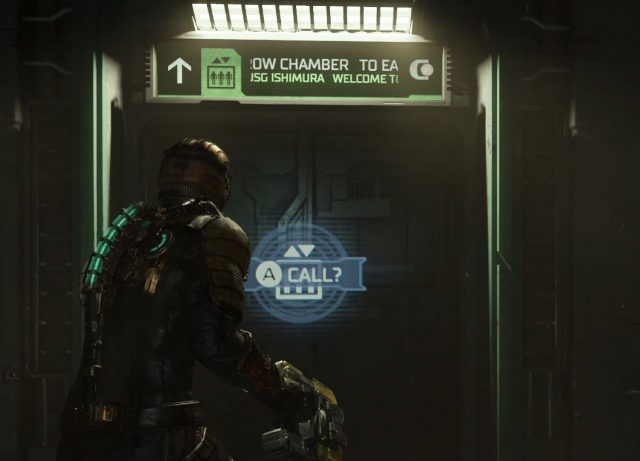
Other examples of hidden loads include scenarios like ‘The Tight Squeeze’, ‘The Slow-Open Door’, and ‘The Crawlspace’, which keep player interactivity intact while the game engine handles loading in the background.
The ‘Pause’ as a Load (Diegetic UIs)
Integrating UI elements into the game world is crucial for maintaining immersion in VR. Traditional pause menus that take players out of the game can be as disruptive as loading screens. Games like ‘Cosmodread’, ‘The Lab’, and ‘Into The Radius’ incorporate UI components into the game world, allowing players to interact with them seamlessly without disrupting gameplay.
By avoiding pauses and integrating UI elements into the game world, players remain engaged in the VR experience, aware of their surroundings even while managing inventory or accessing maps.
The ‘Failure’ Load (Instant Resets)
In challenging VR games that require frequent resets, an ‘Instant Reset’ feature is crucial. Games like ‘Beat Saber’ and ‘Pistol Whip’ utilize instant reset mechanics to quickly restart gameplay without unloading the level. This approach respects the player’s time and keeps them in the flow of the game.
By hitting a ‘rewind’ button instead of reloading the level, these games teleport players back to the starting point, resetting enemies and objects without unloading assets from memory.
The ‘First Time’ Load (Shader Compilation)
Many games, including ‘By Grit Alone’, implement a ‘first time load’ process to handle shader compilation. Shaders are essential for rendering surfaces in the game, and compiling them for the first time can cause noticeable stutters. By addressing shader compilation during the initial game launch, subsequent gameplay experiences remain seamless without interruptions.
While the first-time load may require players to wait initially, it ensures a smooth gameplay experience without shader-related stutters down the line.
When You Just Can’t Hide It (The “Honest” Load)
Sometimes, loading screens are unavoidable, and in such cases, it’s essential to keep them as brief as possible. Maintaining active head tracking during loading screens and incorporating interactive elements can help keep players engaged during these unavoidable pauses.
Interactive loading screens, like the one in ‘Black and White 2’, provide a way for players to stay engaged even during loading times.
In conclusion, these techniques aim to enhance the player’s experience by minimizing disruptive loading screens and unnecessary pauses. By combining technical expertise with thoughtful design, developers can preserve the player’s immersion and deliver a seamless VR experience. As VR technology advances, these techniques will continue to evolve, but elements like elevators and hidden loads are likely to remain integral to the future of VR gaming.