Online scams are evolving with advanced technologies, making them more challenging to detect. Scammers now employ AI tools to create convincing fake messages through texts, calls, and even voice or video manipulation. These sophisticated tactics aim to deceive individuals into taking immediate actions without critical thinking.
Recognizing the signs of scams is crucial for safeguarding oneself. By familiarizing with common tactics, individuals can better protect themselves from falling victim to online fraud. Here are some prevalent online scams and ways to stay vigilant.
Phishing Scams
Phishing remains a prevalent online scam due to its deceptive nature. Scammers impersonate trusted entities, such as companies or acquaintances, to lure individuals into clicking malicious links. These messages often appear authentic, mimicking company branding and language to trick recipients.
To protect against phishing, refrain from clicking links in unsolicited messages. Instead, directly visit the official website of the purported sender to verify the message’s legitimacy. Additionally, scrutinize the email address for any inconsistencies, as scammers often use generic or fake addresses.
Online Shopping Scams

With the rise of online shopping, fraudulent retailers have proliferated, preying on unsuspecting consumers. Fake online stores may advertise enticing products but fail to deliver upon purchase, leading to financial losses.
Vigilance is key when shopping online. Research unfamiliar retailers, verify contact information, and cross-reference reviews from reliable sources before making a purchase. Suspiciously low prices and abrupt website disappearances are red flags signaling potential scams.
Investment and Crypto Scams

Investment scams promise lucrative returns with minimal effort, exploiting individuals seeking financial gains. Scammers, often through social media, tout exclusive investment strategies or financial opportunities that require immediate capital infusion.
Exercise caution when approached with guaranteed returns or risk-free investments, as legitimate ventures entail inherent uncertainties. Verify the authenticity of investment offers and refrain from engaging with entities making unrealistic promises.
Tech Support Scams
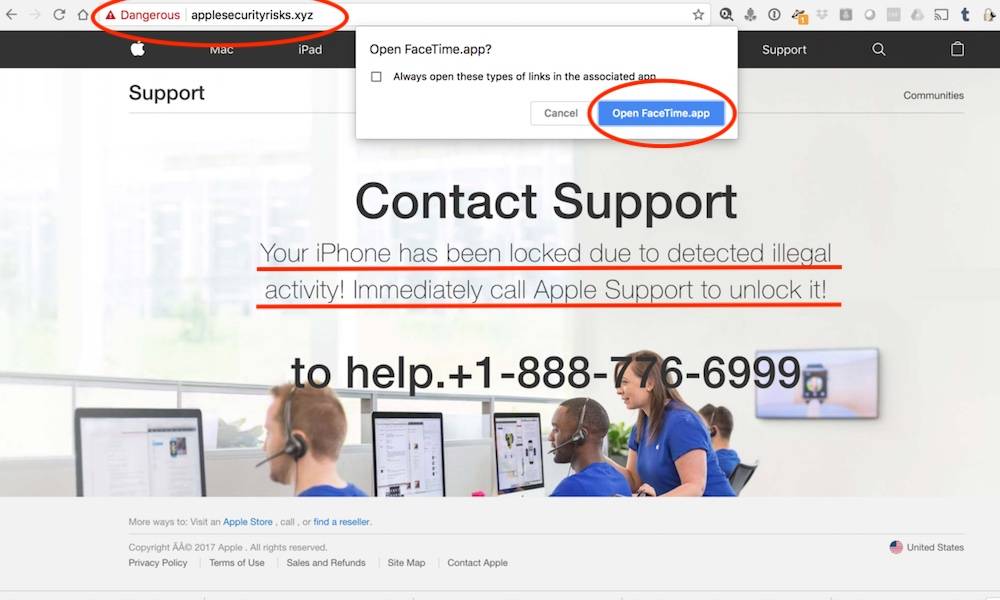
Tech support scams induce panic by displaying false computer issues and urging immediate action. Victims may encounter alarming pop-up messages instructing them to call a provided number for technical assistance.
Legitimate tech companies do not solicit support through unsolicited pop-ups. Avoid interacting with such messages and refrain from granting remote access to unknown parties. Safeguard personal information stored on devices by remaining vigilant against tech support impostors.
Fake Job Scams

Remote work opportunities have enabled fake job scams, enticing individuals with promises of easy income for nominal tasks. Scammers may initiate legitimate payments to build trust before requesting larger sums under false pretenses.
Exercise caution when prospective employers demand upfront payments or security fees for work opportunities. Legitimate employers do not require monetary contributions from employees, and such requests should raise suspicion.
Fake Social Media Giveaways

Social media giveaway scams entice users with false promises of rewards in exchange for personal information or payments. Scammers impersonate reputable brands or personalities to lend credibility to their deceitful schemes.
Exercise caution when engaging with social media giveaways, particularly if prompted to provide sensitive details or make payments. Verify the legitimacy of accounts and scrutinize giveaway terms to avoid falling victim to fraudulent schemes.
AI Voice And Deepfake Scams

Advancements in AI have enabled scammers to manipulate audio and video content, creating convincing impersonations that deceive individuals. Deepfake technology poses a significant challenge by fabricating realistic scenarios to exploit unsuspecting victims.
Exercise vigilance when receiving urgent requests for financial assistance or investments, especially if based on audio or video content. Verify the authenticity of communications through alternate channels to mitigate the risk of falling prey to deepfake scams.
Implementing personal verification phrases with close relatives can further enhance security against deepfake impersonations.
Stay Safe Online
As online scams become increasingly sophisticated, individuals must remain vigilant to protect themselves from fraudulent activities. By adopting a cautious approach, verifying information, and refraining from impulsive actions, individuals can mitigate the risk of falling victim to online scams.
Staying informed and attentive is paramount in navigating the digital landscape rife with potential threats. Taking a moment to validate information and exercise prudence can make a significant difference in identifying and averting online scams.
global $wp;
. ‘/’;
?>