Netflix’s Adoption of AV1 Codec Revolutionizes Streaming
Netflix has been at the forefront of embracing the AV1 codec, a format that has gained significant traction since its launch in 2018. This cutting-edge technology is designed to minimize bandwidth usage while maintaining high-quality images, and Netflix has been a key supporter in its widespread adoption.
The Alliance for Open Media (AOMedia), which includes industry giants like Netflix, Amazon, Apple, Google, and Microsoft, introduced AV1 as a successor to VP9 in 2018. Unlike traditional codecs, AV1 is royalty-free and offers superior compression capabilities compared to H.264.
Since its inception, support for AV1 has expanded rapidly to include modern mobile devices, PC graphics chips, and various other hardware components. The codec has garnered praise from users across the spectrum, from large corporations to independent content creators, for its performance enhancements.
Netflix’s journey with AV1 began with software decoding on Android devices in 2020, leveraging the dav1d library optimized for mobile Arm chipsets. The company later extended AV1 support to smart TVs, web browsers, and Apple’s M3 and A17 Pro chips, enhancing the viewing experience for its subscribers.
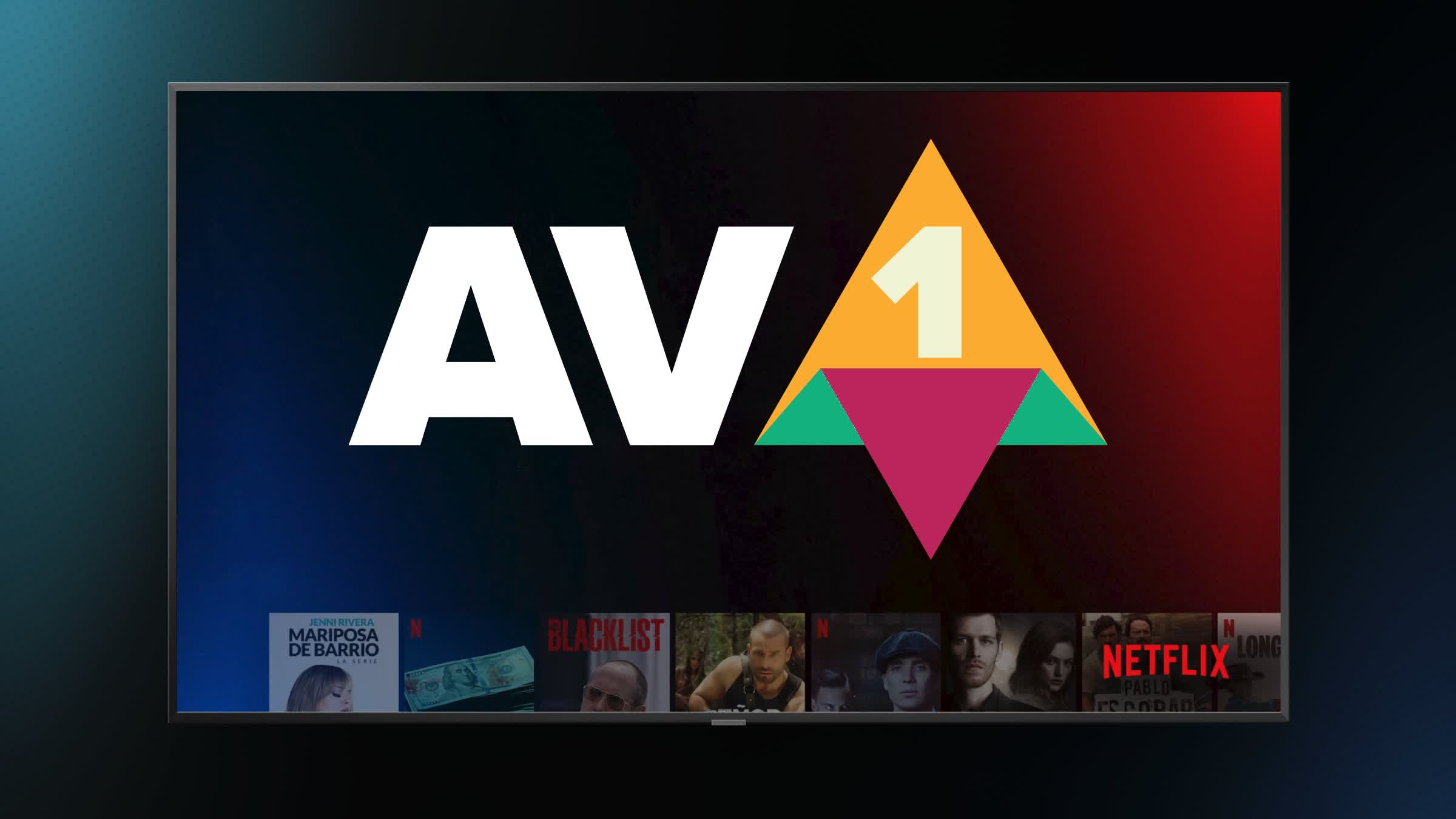
In a strategic move, Netflix has integrated AV1 HDR streaming using HDR10+, covering 85% of its HDR catalog. The company plans to transition all HDR content to AV1 in the coming months, citing benefits such as smarter film grain integration and improved live streaming capabilities.
AOMedia’s announcement of AV2, set to launch later this year, promises even more efficient compression and support for advanced technologies like augmented reality and split-screen streaming. This development aligns with Netflix’s ambitious plans, including the recent acquisition of Warner Bros. for $82.7 billion.