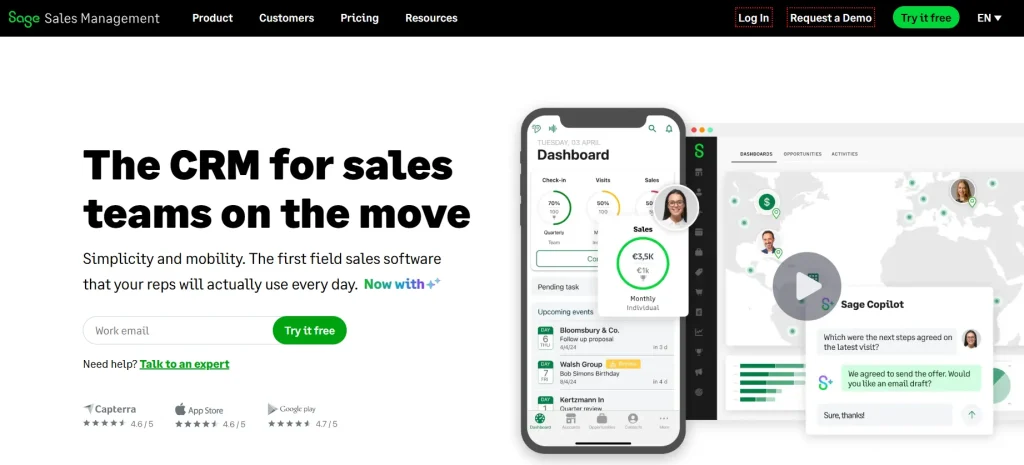
In the ever-evolving world of distribution planning software, the landscape has drastically transformed from the logistics-focused platforms of 2016 to the AI-powered solutions of 2025. These modern platforms now encompass everything from demand forecasting to field sales management, making them essential tools for companies looking to stay competitive in today’s market.
A recent report by McKinsey highlighted the immense benefits that advanced planning tools offer, with companies experiencing up to a 15% reduction in logistics costs and a 30% increase in service levels. These numbers underscore the importance of choosing the right software for your distribution business or CPG brand.
In this blog post, we delve into the top 10 distribution planning solutions, providing insights into their key features and limitations.
What Is Distribution Planning Software?
Distribution Planning Software is a digital solution that streamlines the movement of products from warehouses to customers with precision and efficiency. It ensures that goods are delivered to the right place at the right time, minimizing costs and maximizing operational efficiency.
Designed to automate and optimize the complex logistics involved in product distribution, this software has become a cornerstone for businesses in the distribution sector.
10 Best Distribution Planning Software
1. SimplyDepo – Built for Modern B2B Distribution
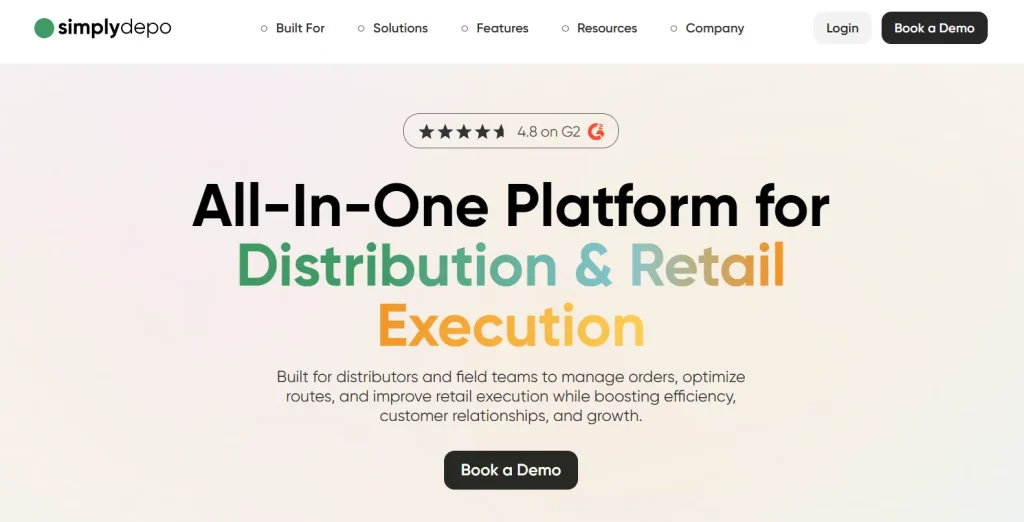
Rating: ⭐ 4.8 on G2
Founded: 2020
Best For: Wholesale distributors, CPG brands, field sales teams
SimplyDepo stands out as a purpose-built platform that seamlessly integrates sales, merchandising, and fulfillment processes into one intuitive dashboard. Its quick deployment, mobile-friendly interface, and productivity-boosting features make it a top choice for businesses.
Key Features:
- Order management enhancing productivity by 30–50%
- Efficient route and territory planning
- Mobile ordering capabilities for field representatives
- Seamless integrations with QuickBooks, Stripe, and Zebra
- Real-time dashboards for easy data interpretation
Advantages:
- Quick onboarding in under 7 days
- Transparent pricing without hidden fees
- Clear pricing structure from the outset
📌 Impact: Users report a 22% increase in field sales productivity within 90 days.
2. Repsly – Retail Execution with CRM Focus
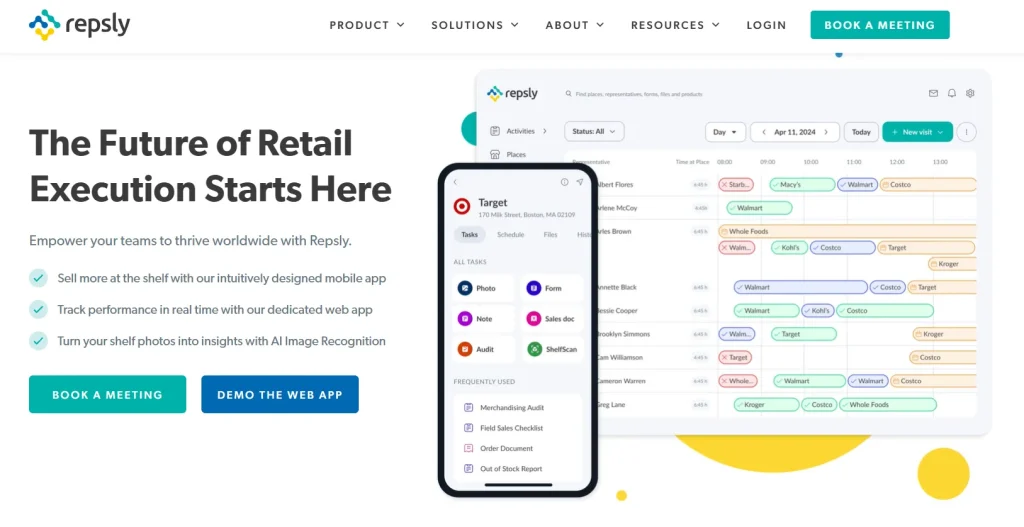
Rating: ⭐ 4.3 on G2
Founded: 2010
Best For: Retail brands, merchandising teams
Repsly specializes in retail execution, offering features such as store audits, photo capture, and team tracking. While strong in CRM and field visibility, it lacks depth in inventory and distribution planning functionalities.
Key Features:
- GPS tracking and visit verification
- Store-level photo and audit capture
- Team performance analytics
Limitations:
- No inventory forecasting
- Limited B2B eCommerce features
3. Pepperi – Customizable B2B Sales Platform
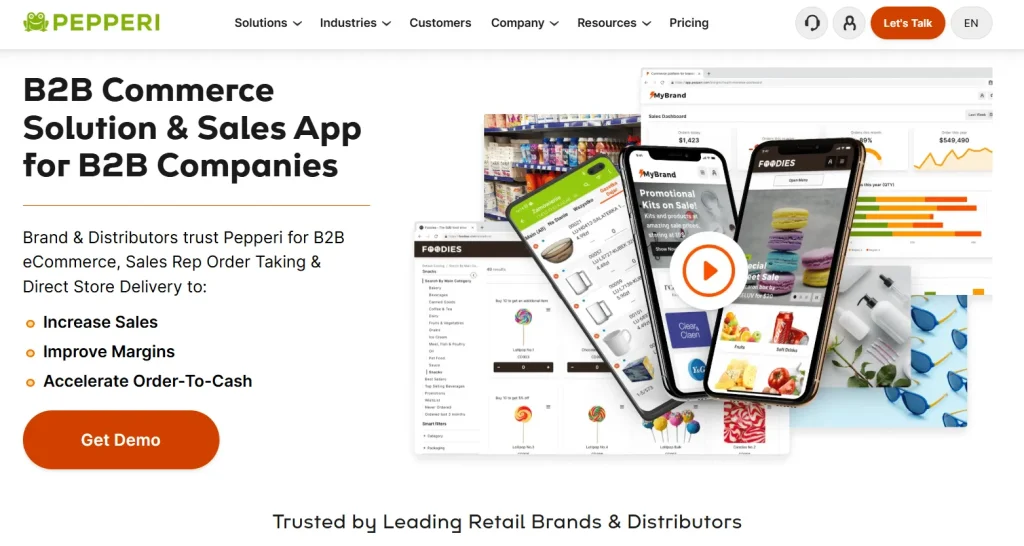
Rating: ⭐ 4.4 on G2
Founded: 2012
Best For: Enterprises needing tailored workflows
Pepperi offers extensive customization and ERP integration, making it an ideal choice for complex B2B sales environments. However, its setup process can be time-consuming, and it lacks advanced AI features.
Key Features:
- Custom catalogs and pricing rules
- Offline ordering and ERP integration
- Flexible workflows for reps and managers
Limitations:
- Setup can take an average of 3+ weeks
- Steep learning curve
- No predictive forecasting capabilities
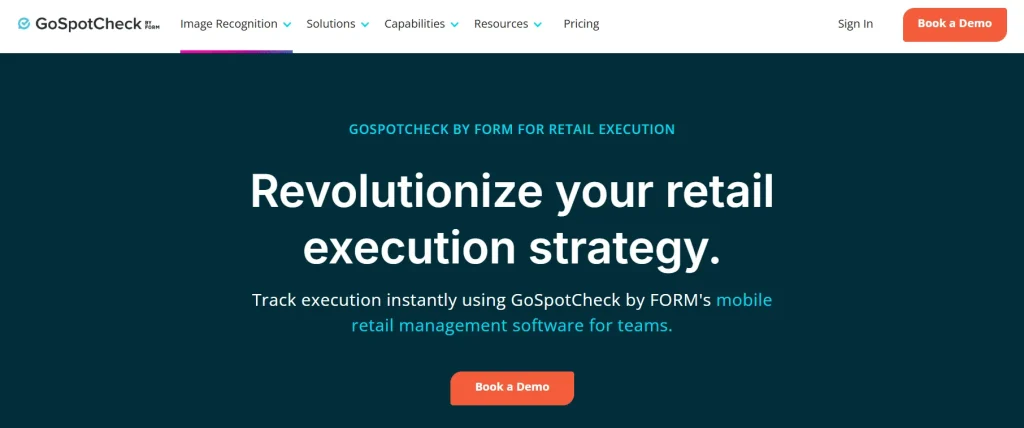
4. GoSpotCheck – Field Data Collection Powerhouse
Rating: ⭐ 4.7 on G2
Founded: 2011
Best For: Retail execution, merchandising analytics
GoSpotCheck excels in capturing field data through features like real-time photo and task capture, store audit workflows, and custom survey creation. While it lacks order management capabilities, it is a valuable tool for enhancing retail visibility.
Key Features:
- Real-time photo and task capture
- Store audit workflows
- Custom survey creation
Limitations:
- No order management functionalities
- No route optimization features
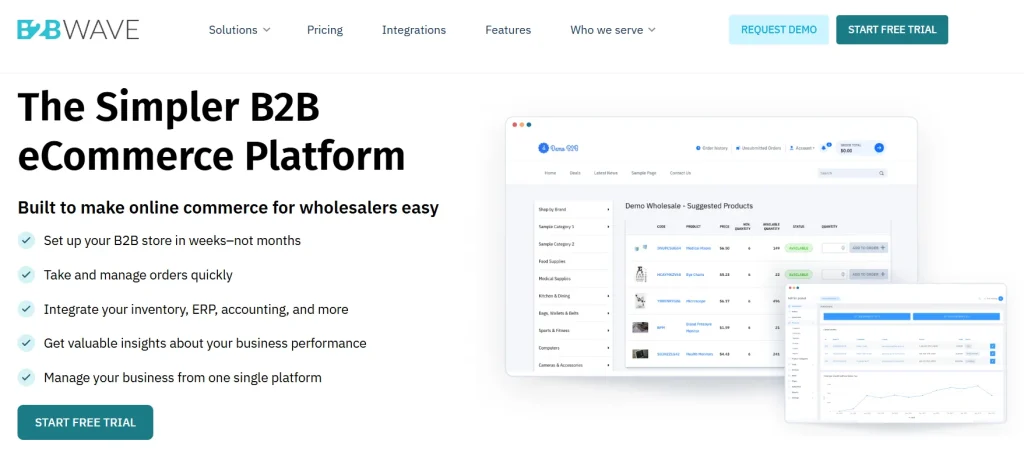
5. B2B Wave – eCommerce Portal for B2B Sellers
Rating: ⭐ 4.8 on G2
Founded: 2013
Best For: Wholesalers launching online catalogs
B2B Wave is a versatile eCommerce platform known for its customizable product catalogs, branded order portals, and multi-language, multi-currency support. While it excels in online selling, it lacks advanced forecasting and logistics tools.
Key Features:
- Custom product catalogs
- Branded order portals
- Multi-language and multi-currency support
Limitations:
- No route planning functionalities
- No demand forecasting capabilities
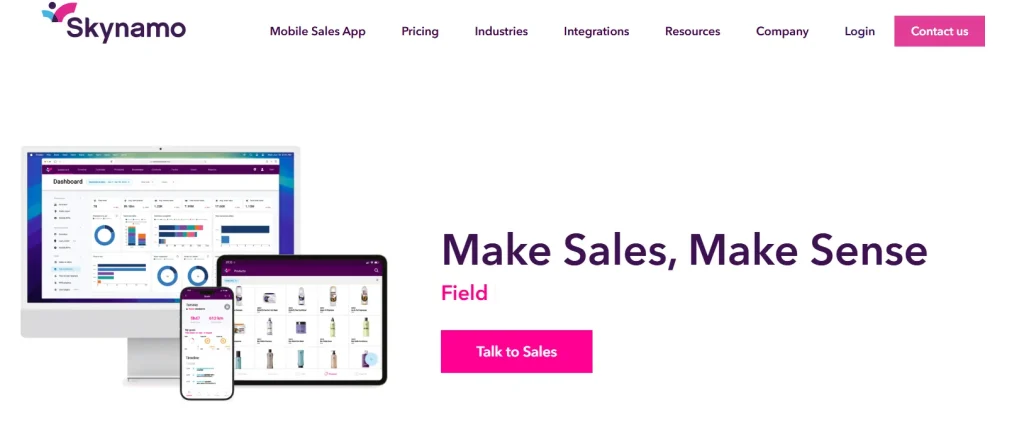
6. Skynamo – Mobile CRM for Field Reps
Rating: ⭐ 4.5 on G2
Founded: 2012
Best For: Sales teams in remote or offline environments
Skynamo caters to field representatives who require offline access and GPS tracking capabilities. While it offers mobile-first features, it lacks warehouse integration and advanced forecasting functionalities.
Key Features:
- Offline order capture
- GPS tracking and visit logging
- Mobile CRM features
Limitations:
- No predictive planning capabilities
- Limited warehouse integration
7. Zoey – B2B eCommerce Builder

Rating: ⭐ 4.5 on G2
Founded: 2016
Best For: eCommerce-focused B2B teams
Zoey initially began as a B2B storefront builder and has since expanded to include sales enablement tools. While it excels in digital catalogs and customer portals, it lacks comprehensive distribution features.
Key Features:
- Drag-and-drop storefront builder
- Customer-specific pricing and catalogs
- Mobile-friendly order capture
Limitations:
- No route optimization functionalities
- No inventory forecasting capabilities
8. Spotio – Route Planning and Field Analytics

Rating: ⭐ 4.5 on G2
Founded: 2014
Best For: Field sales teams
Spotio specializes in route optimization and field representative performance tracking. While it excels in mapping and analytics, it lacks order management and supplier automation functionalities.
Key Features:
- Route planning and territory mapping
- Field rep performance dashboards
- CRM integrations
Limitations:
- No order workflows
- No backend logistics tools
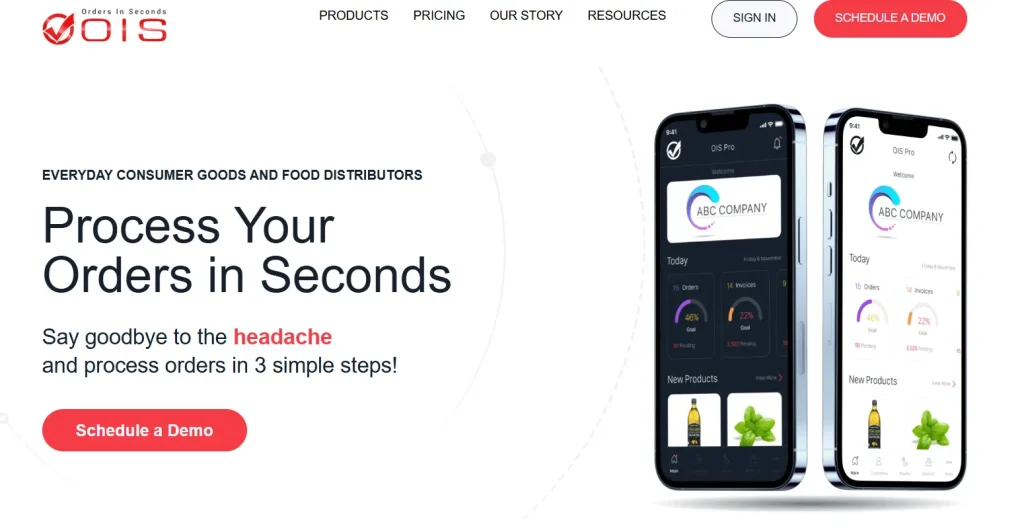
9. Orders in Seconds – Fast Order Capture
Rating: ⭐ 4.9 on Google
Founded: 2004
Best For: Small teams needing quick order entry
Orders in Seconds is a lightweight tool designed for capturing orders efficiently in the field. While it offers ease of use, it lacks advanced analytics, forecasting, and scaling integrations.
Key Features:
- Mobile order entry
- Barcode scanning
- Basic reporting
Limitations:
- No predictive analytics capabilities
- Limited integrations
10. ForceManager – CRM with Mobile Intelligence